Winter Storms
About Winter Weather
Winter storms are a hazard that is more dangerous than just snow on the ground. Winter storms can lead to higher risk of car accidents, cold-related illnesses, carbon monoxide poisoning, and more. In addition to freezing temperatures, winter storms can bring severe snow, freezing rain, ice, and winds.
Winter storms can be short or for a long period of time. It is important to be prepared in case of long power outages and inaccessible roads.
Know Your Alerts
Winter Weather Advisory
There is accumulation of snow, freezing rain/drizzle, and sleet that can cause significant damage if caution is not taken.
If you see this alert, take caution when outdoors and driving.
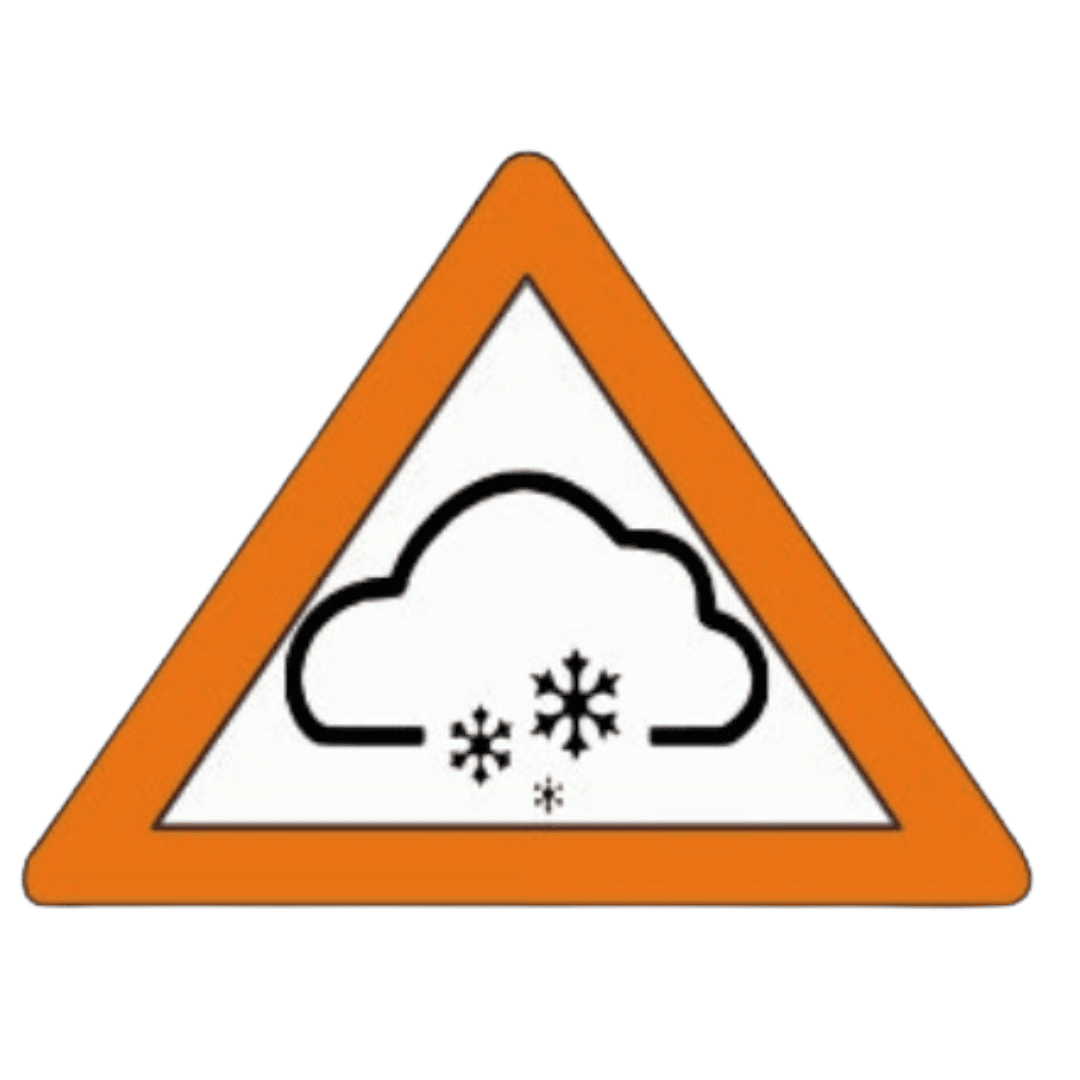
Winter Storm Watch
There is a possibility of a winter storm within 24 to 72 hours. This storm may contain snow, sleet, ice, and/or severe wind.
If you get this alert, limit time outdoors. Prepare for outages and gather supplies for your emergency kit. Make sure to stay off the roads to avoid being stuck outside.
Winter Storm Warning
There is a possibility of a winter storm within 12 to 48 hours. This storm may contain snow, sleet, ice, and/or severe wind.
If you get this alert, limit time outdoors. Prepare for outages and gather supplies for your emergency kit. Make sure to stay off the roads to avoid being stuck outside.
Staying Safe in A Winter Storm
Know Your Risk
Pay attention to the weather, especially during hot and cold seasons.
Sign up for OC Alerts to receive weather and other emergency alerts. Consider purchasing a NOAA Weather Radio to hear alerts in the event of a wide-spread power or communication challenges.
Prepare for Winter Weather in your Home
Make sure your home is ready for the cold weather by installing insulation, caulking, and weather stripping. Test your smoke alarms and carbon monoxide detectors and have spare batteries on hand. Carbon monoxide-related illnesses are more prevalent during the winter when using heaters.
Have a Plan
Know where you can go during the winter to get warm and have a plan in case your power goes out at home.
Keep an emergency supply kit in both your car and home to stay prepared.
Stay off Roads
Snow and ice make driving in winter storms particularly dangerous. Avoid driving if possible and remain in your car if trapped.
Limit Time Outdoors and Monitor for Illness
Learn the signs and treatments for frostbite and hypothermia.
| Frostbite | Hypothermia | |
| Definition | Freezing of tissue under the skin, particularly in face, fingers, or toes. | Body temperature below 95 degrees Fahrenheit |
| Signs | Numbness, white or grey skin that is firm or waxy | Shivering, Tiredness, Confusion, Slurred Speech, Memory Loss |
| Treatment | Soak body part in warm water and go into a warm room. Do not massage the area or use a heating pad to rapidly warm skin | Seek shelter in a warm room. Warm the body's core first and stay wrapped in dry blankets. |
Safely Heat Your Home
If using a generator during a power outage, keep generators at least 20 feet away from doors and windows. Make sure your carbon monoxide detectors are fully functional before using a generator.
Seek Warmth if Extended Power Outage
If there are widespread prolonged power outages, know where you can go to seek heat. In catastrophic winter storms, an emergency shelter may be warranted. Stay informed by following local news outlets and registering for OC Alerts.
Report Non-Emergency Storm Damage
Post-storm, report non-emergency storm damage via Orange County's CrisisTrack application. This will help assist the community in recovering quicker.
Restock Emergency Supplies and Revisit Plans
Take note of what supplies were used during the storm and what would have been helpful. Incorporate these into your emergency kit for the future. Adjust your emergency plan as necessary based on what you have learned.
Visit Ready.gov for more information on how to be prepared for winter storms and other emergencies